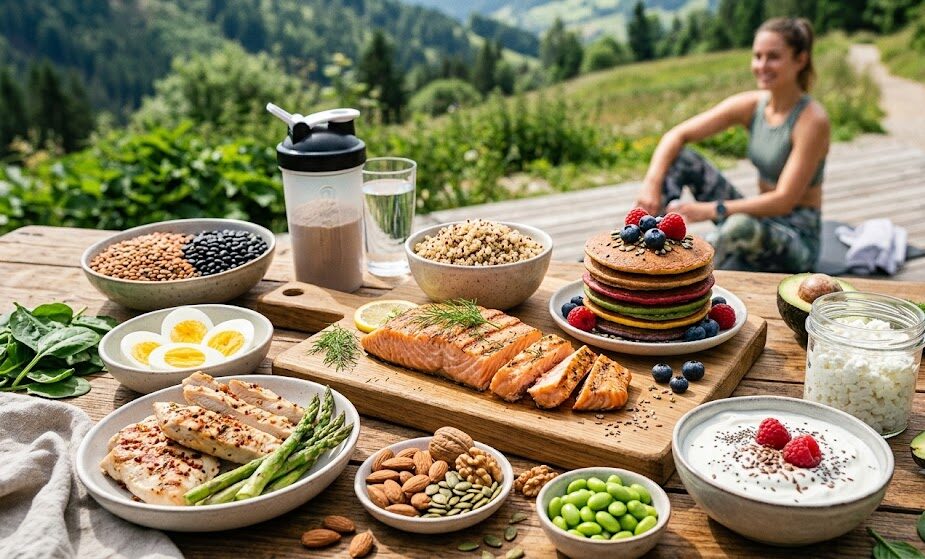
Protein plays a central role in building muscle, supporting recovery, and maintaining overall health. Whether you’re lifting weights, training for endurance events, or simply trying to stay active, choosing the right high-protein foods for fitness can help you meet your nutritional goals more effectively.
While many people focus on exercise routines, nutrition is equally important. Protein provides the amino acids the body needs to repair and build muscle tissue after physical activity. It also helps promote satiety, making it easier to maintain a balanced diet and healthy body composition.
Why Protein Matters for Active Lifestyles
When you exercise, especially during resistance training, tiny amounts of muscle damage occur naturally. Protein helps repair this tissue and supports adaptation, allowing muscles to become stronger over time.
Research suggests that physically active individuals often benefit from consuming more protein than sedentary adults. Adequate intake may support:
Muscle growth and maintenance
Post-workout recovery
Healthy metabolism
Improved satiety
Preservation of lean body mass during weight loss
The amount needed varies depending on age, body weight, activity level, and fitness goals.
High-Protein Foods for Fitness: Top Choices
Many foods contain protein, but some provide particularly high amounts relative to their calorie content.
Chicken Breast
Chicken breast remains one of the most popular protein sources among athletes and gym-goers. A cooked serving provides approximately 31 grams of protein per 100 grams while remaining relatively low in fat.
Its versatility makes it easy to incorporate into salads, wraps, rice bowls, and meal-prep recipes.
Tuna
Tuna is another protein powerhouse, offering around 29 to 30 grams of protein per 100 grams. It is also convenient, affordable, and widely available.
Fresh and canned varieties can both fit into a healthy eating plan when consumed as part of a balanced diet.
Lean Beef
Lean cuts of beef provide between 26 and 30 grams of protein per 100 grams. In addition to protein, beef supplies important nutrients such as iron, zinc, and vitamin B12.
Choosing leaner cuts can help reduce saturated fat intake while still delivering excellent nutritional value.
Salmon
Salmon contains approximately 22 to 25 grams of protein per 100 grams and is well known for its omega-3 fatty acids. These healthy fats may support heart health and recovery from exercise.
Shrimp
Shrimp delivers about 24 grams of protein per 100 grams while remaining relatively low in calories. It can be added to salads, stir-fries, and pasta dishes for a protein boost.
Dairy-Based Protein Sources
Dairy products offer a convenient way to increase daily protein intake.
Greek Yogurt
Plain Greek yogurt typically contains around 10 grams of protein per 100 grams. It can be enjoyed as a snack or used as a base for smoothies and breakfast bowls.
Cottage Cheese
Cottage cheese provides approximately 11 to 13 grams of protein per 100 grams and contains casein protein, which digests slowly and may help support muscle recovery between meals.
Plant-Based Protein Options
Protein is not limited to animal products. Many plant-based foods can also contribute significantly to daily intake.
Tofu
Depending on the variety, tofu contains between 8 and 17 grams of protein per 100 grams. It absorbs flavors well and works in a wide range of dishes.
Tempeh
Tempeh is one of the richest plant-based protein foods, providing roughly 19 to 21 grams of protein per 100 grams.
Edamame
Young soybeans, known as edamame, contain around 11 grams of protein per 100 grams and make an excellent snack or side dish.
Lentils
Cooked lentils offer about 9 grams of protein per 100 grams while also supplying fiber, vitamins, and minerals.
Protein Supplements: Convenient but Optional
Whey protein isolate is among the most concentrated protein sources available, containing roughly 80 to 90 grams of protein per 100 grams of powder.
While supplements can be convenient, most people can obtain adequate protein from whole foods. Protein powders are often most useful when meal preparation is difficult or daily requirements are particularly high.
Simple High-Protein Meal Ideas
Meeting your protein needs doesn’t have to be complicated.
Some practical options include:
Grilled chicken breast with rice and vegetables
Tuna sandwich on whole-grain bread
Greek yogurt with berries and nuts
Vegetable omelet with extra egg whites
Protein smoothie made with milk and whey protein
Salmon with roasted vegetables and potatoes
Combining protein with complex carbohydrates and healthy fats can help create balanced meals that support energy and recovery.
How Much Protein Do You Need?
Many fitness experts recommend a daily protein intake between 1.6 and 2.2 grams per kilogram of body weight for individuals focused on muscle maintenance or growth.
Examples include:
70 kg (154 lb): 112–154 grams per day
80 kg (176 lb): 128–176 grams per day
90 kg (198 lb): 144–198 grams per day
Individual needs may vary based on training volume, age, overall diet, and health status.
Conclusion
Choosing the right high-protein foods for fitness can make a meaningful difference in muscle recovery, performance, and long-term health. Foods such as chicken breast, tuna, lean beef, salmon, Greek yogurt, tofu, and lentils provide quality protein that can fit into a wide variety of eating styles.
Rather than relying on a single source, aim for a diverse selection of protein-rich foods throughout the day. This approach helps ensure a broader intake of vitamins, minerals, and other nutrients that support overall wellness and athletic performance.
Related Articles
Best Post-Workout Meals for Muscle Recovery
How Much Protein Do You Really Need Each Day?
Complete Guide to Healthy Meal Prep for Fitness
Best Foods for Building Lean Muscle Naturally
Plant-Based Protein Sources for Active Lifestyles