Practical Guidance for Pet Owners and Veterinary Teams
VetGuide 24/7 provides clear, practical information for people caring for dogs and cats, as well as readers interested in how veterinary clinics are organized and operated.
Our guides cover everyday pet care decisions, veterinary visits, clinic layout, equipment, hygiene, staffing, workflow, and practice management.
Whether you are preparing to bring a new pet home, deciding when veterinary attention may be needed, or researching how a veterinary facility works, our goal is to make complex topics easier to understand.
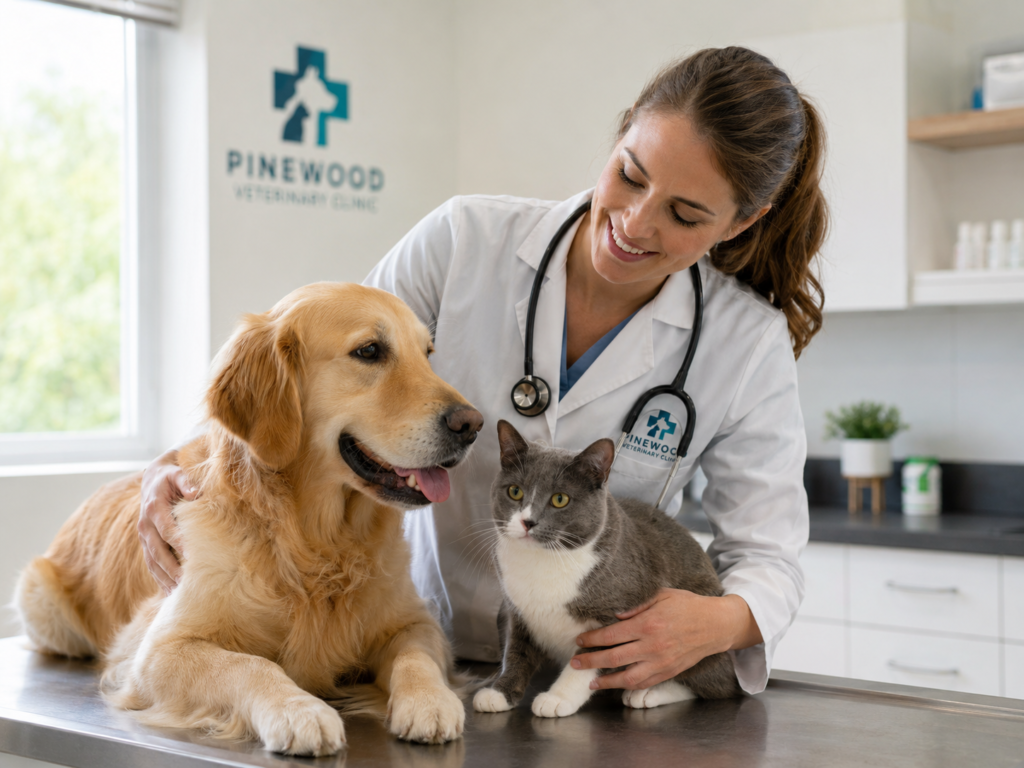
Veterinarian with a dog and cat in a veterinary clinic
MAIN TOPICS
Successful Vet Clinic
| Main Topic | What It Covers | Why It Matters |
|---|
| Clinic Layout | Reception, waiting room, exam rooms, surgery area, laboratory, storage, isolation, and staff areas | Improves workflow, hygiene, patient safety, and client experience |
| Essential Equipment | Examination tables, diagnostic tools, surgical equipment, laboratory devices, sterilization systems, and storage | Allows the clinic to provide safe, efficient, and reliable services |
| Veterinary Staff | Veterinarians, veterinary technicians, assistants, receptionists, managers, and cleaning staff | Ensures that responsibilities are clearly assigned and daily operations run smoothly |
| Hygiene and Infection Control | Cleaning procedures, disinfection, sterilization, waste disposal, hand hygiene, and isolation protocols | Reduces the spread of disease and protects animals, staff, and visitors |
| Patient Safety | Animal identification, safe handling, medication control, anesthesia monitoring, and emergency preparation | Helps prevent avoidable injuries, treatment errors, and medical complications |
| Client Communication | Appointment information, treatment explanations, estimates, discharge instructions, and follow-up communication | Builds trust and helps pet owners understand their responsibilities |
| Appointment Management | Scheduling, reminders, emergency prioritization, waiting times, and follow-up visits | Reduces delays, improves organization, and helps the clinic serve more patients efficiently |
| Medical Records | Patient history, examination findings, test results, treatments, medications, consent forms, and invoices | Supports continuity of care, accountability, and accurate decision-making |
| Inventory Management | Medicines, vaccines, food, consumables, expiry dates, storage conditions, and ordering systems | Prevents shortages, waste, expired products, and unnecessary spending |
| Financial Management | Pricing, budgeting, payroll, operating expenses, cash flow, insurance, and financial reporting | Keeps the clinic financially stable and supports future investment |
| Legal and Regulatory Compliance | Licensing, medicine storage, radiation rules, employment requirements, waste disposal, and data protection | Helps the clinic operate legally and avoid penalties or professional risks |
| Emergency Preparedness | Emergency equipment, staff responsibilities, evacuation plans, backup power, and urgent-care procedures | Helps the clinic respond quickly during medical or operational emergencies |
| Staff Training | Clinical skills, customer service, safety procedures, equipment use, and continuing education | Improves service quality, staff confidence, and patient care |
| Technology and Software | Practice-management software, digital records, online booking, payment systems, laboratory integration, and data backup | Saves time, improves accuracy, and reduces administrative work |
| Marketing and Reputation | Website, local visibility, social media, client reviews, community education, and referral relationships | Helps attract new clients and maintain a trustworthy professional image |
| Client Experience | Clean facilities, clear signage, comfortable waiting areas, respectful service, and transparent pricing | Encourages client loyalty and positive recommendations |
| Quality Improvement | Client feedback, incident reviews, staff meetings, performance indicators, and procedure updates | Helps the clinic identify weaknesses and improve over time |
| Animal Welfare | Humane handling, pain management, stress reduction, suitable housing, and responsible treatment decisions | Keeps animal wellbeing at the center of all clinic activities |
| Sustainable Operations | Energy use, water consumption, responsible purchasing, recycling, and medical-waste reduction | Reduces costs and supports environmentally responsible clinic management |
What Makes a Veterinary Clinic Successful?



-
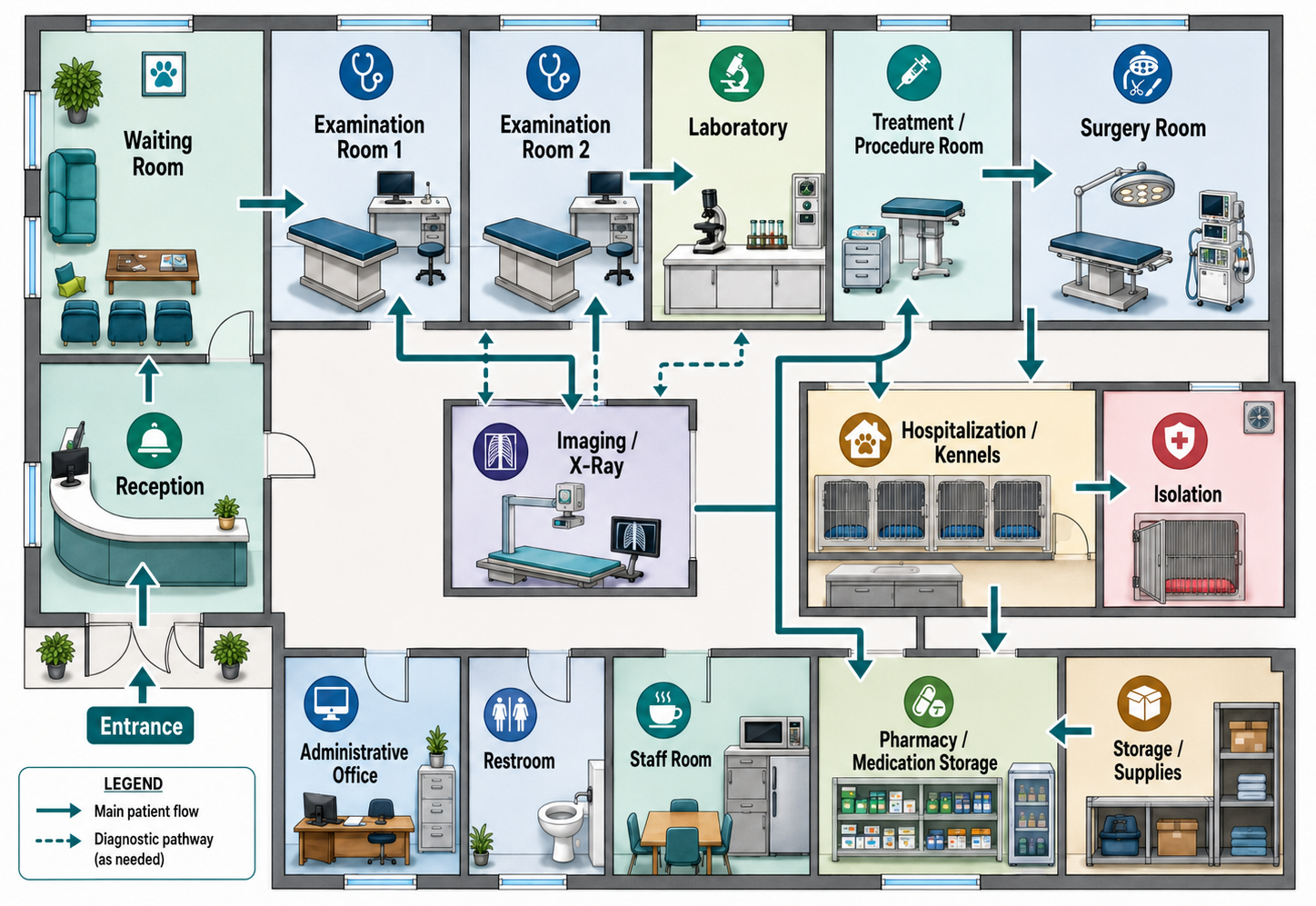
How to Organize a Veterinary Clinic for Better Workflow, Safety, and Patient Care
A well-run veterinary clinic is about much more than looking clean and professional. The way the space is organized can affect how quickly staff work, how safely animals move through the building, how easily infection-control procedures are followed, and how comfortable clients feel during their visit. There is no single layout that works for every…
-
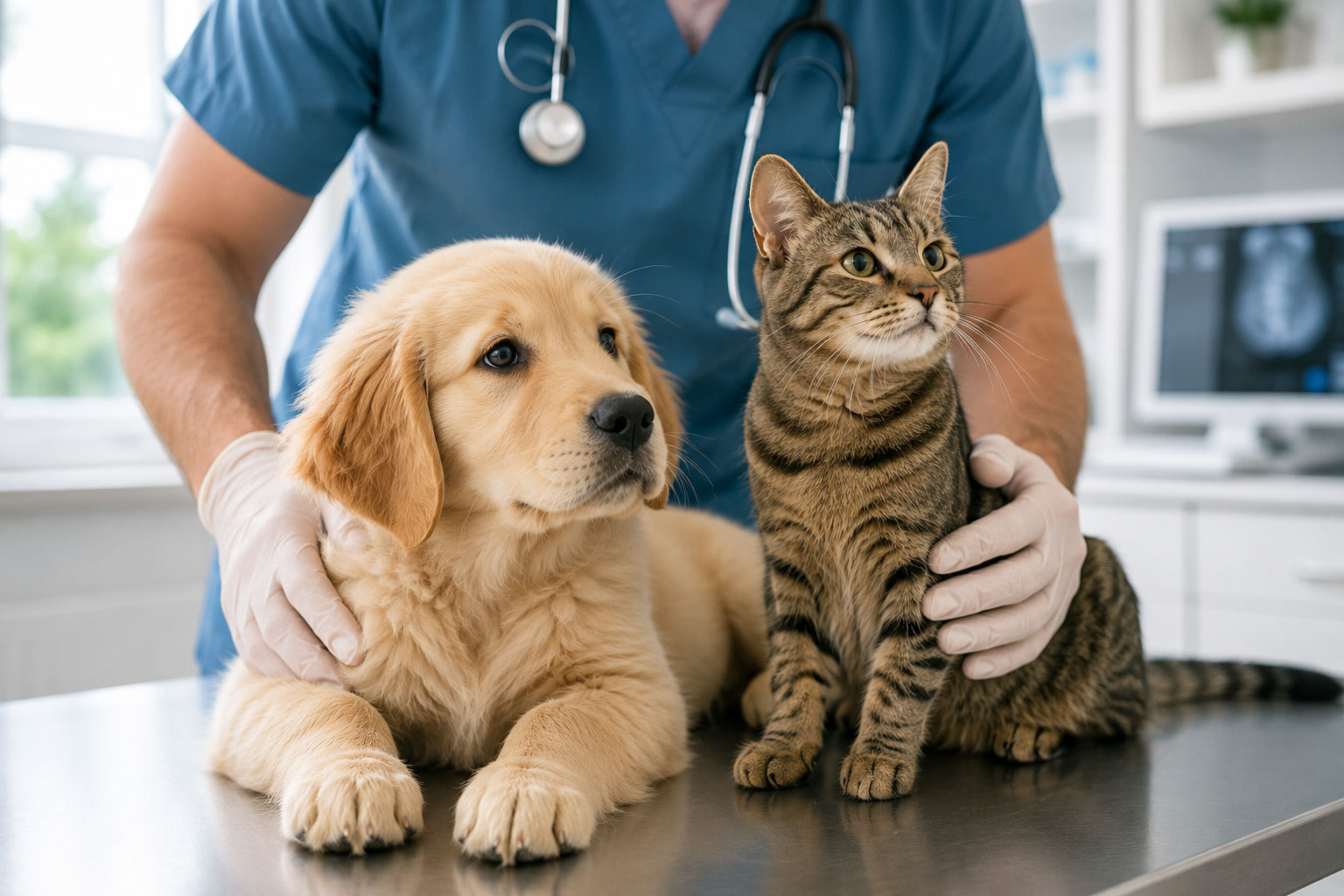
When Should Your Dog or Cat See a Veterinarian?
Dogs and cats cannot tell us when something hurts or when they are starting to feel unwell. That means pet owners often have to notice the first signs themselves. Changes in appetite, mov Po. Këtë do ta ndryshoja dukshëm nga versioni aktual, jo vetëm me sinonime. Teksti yt ka informacion të mirë, por është shumë…
-

Before Choosing a Dog or Cat: What Every Future Owner Should Know
Bringing a dog or cat into your home can be exciting, but it is also a long-term commitment that affects your routine, budget, travel plans, and daily responsibilities. The right pet should not be chosen only because it looks cute or because a particular breed is popular. A better match comes from understanding what the…
Categories
Contact
Email: contact@usnewsreport.info