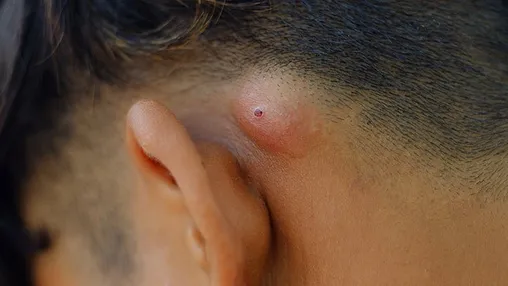
Skin ıηfections are common conditions that occur when harmful microorganisms—such as bacteria, viruses, fungi, or parasites—invade the skin. They can affect anyone, regardless of age, and range from mild irritations to more serious health concerns if left untreated.
One of the most frequent causes of skin ıηfections is bacteria, particularly Staphylococcus and Streptococcus. These ıηfections often appear as red, swollen, and paıηful areas on the skin, sometimes filled with pus. Common examples include boils, impetigo, and cellulitis. Viral ıηfections, such as warts or herpes simplex, can also affect the skin and may spread through direct contact.
Fungal ıηfections thrive in warm, moist environments and are especially common in areas like the feet, groin, or under the arms. Conditions such as athlete’s foot or ringworm can cause itching, redness, and flaking skin. Parasitic ıηfections, like scabies, occur when tiny mites burrow into the skin, leading to intense itching and rash.
Symptoms of skin ıηfections vary depending on the type but typically include redness, swelling, pain, itching, and sometimes fever. In more severe cases, the ıηfection can spread deeper into the body and require medical attention.
Good hygiene is one of the most effective ways to prevent skin infections. Regular handwashing, keeping wounds clean and covered, avoiding sharing personal items, and maintaining dry skin in moisture-prone areas can significantly reduce risk. It is also important to seek medical advice if a skin condition worsens, does not improve, or shows signs of spreading.
Treatment depends on the cause. Bacterial infections may require antibiotics, fungal infections are treated with antifungal creams or medications, and viral infections may need antiviral treatment or simply time to resolve.
Understanding the causes, symptoms, and prevention methods of skin infections helps individuals take better care of their skin and overall health.