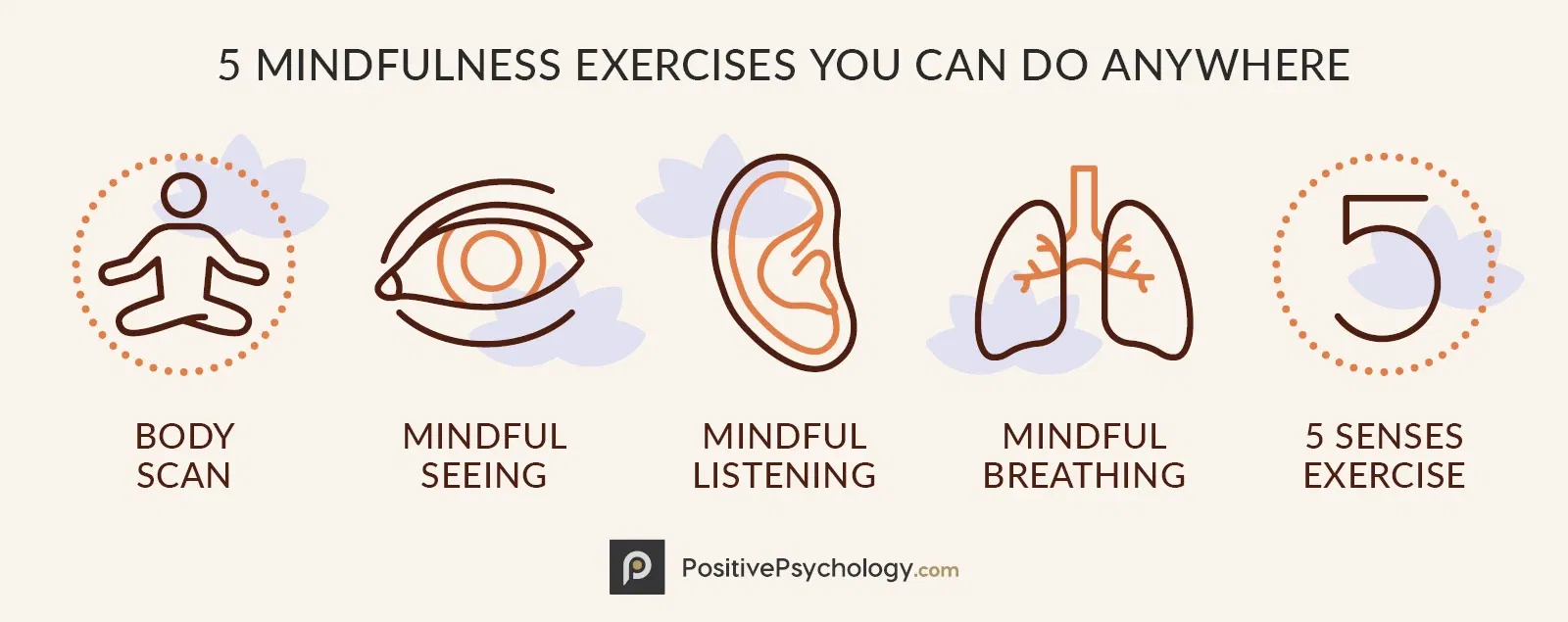
Simple Mindfulness Techniques to Calm Your Mind and Improve Emotional Balance
Anxiety has become increasingly common in modern life. Busy schedules, constant digital notifications, and everyday responsibilities can overwhelm the mind and make it difficult to stay calm and focused. When stress builds up, the brain often shifts into a constant state of worry or tension.
Fortunately, mindfulness offers a practical and science-backed way to reduce anxiety and regain mental clarity. Mindfulness means paying attention to the present moment without judgment. Instead of worrying about the past or the future, mindfulness helps bring your attention back to what is happening right now.
As a result, mindfulness exercises can calm the nervous system, improve emotional awareness, and help individuals manage anxious thoughts more effectively. Even just a few minutes of practice each day can make a noticeable difference in how you feel.
In this guide, we will explore five simple mindfulness exercises that can help reduce anxiety and support better mental well-being.
What Is Mindfulness?
Mindfulness is the practice of being fully aware of your thoughts, emotions, and surroundings in the present moment. Rather than reacting automatically to stress or worry, mindfulness teaches you to observe your experiences with curiosity and acceptance.
For example, mindfulness may involve focusing on your breathing, noticing physical sensations in the body, or paying attention to sounds around you.
Because mindfulness encourages calm awareness, it helps interrupt anxious thought patterns and restore emotional balance.
Why Mindfulness Helps Reduce Anxiety
Mindfulness works by slowing down the brain’s stress response. When individuals practice mindful awareness, the body activates its relaxation system, which lowers heart rate and reduces tension.
Additionally, mindfulness improves emotional regulation. Instead of becoming overwhelmed by anxious thoughts, individuals learn to observe those thoughts without reacting immediately.
Over time, this practice can increase resilience and make it easier to handle stressful situations.
5 Mindfulness Exercises to Calm Anxiety
These simple mindfulness techniques can be practiced almost anywhere and require only a few minutes.
1. Deep Breathing Exercise
Deep breathing is one of the fastest ways to calm anxiety. When you breathe slowly and deeply, your body receives signals to relax.
Try this technique:
Sit comfortably and relax your shoulders.
Inhale slowly through your nose for four seconds.
Hold the breath briefly.
Exhale slowly through your mouth for six seconds.
Repeat this process for several minutes while focusing on each breath.
2. Body Scan Meditation
The body scan exercise helps increase awareness of physical tension and encourages relaxation.
To practice:
Close your eyes and sit or lie down comfortably.
Slowly move your attention from the top of your head down to your feet.
Notice any areas of tension or discomfort.
Gently relax each part of the body as you focus on it.
This exercise helps release physical stress that often accompanies anxiety.
3. The 5-4-3-2-1 Grounding Technique
The 5-4-3-2-1 technique is a powerful grounding exercise used to bring attention back to the present moment.
Identify the following:
5 things you can see
4 things you can touch
3 things you can hear
2 things you can smell
1 thing you can taste
By focusing on your senses, your mind shifts away from anxious thoughts.
Additional Mindfulness Techniques for Daily Life
In addition to formal exercises, mindfulness can also be practiced through everyday activities.
4. Mindful Walking
Mindful walking involves paying attention to each step as you move. Instead of rushing, focus on the sensation of your feet touching the ground and the rhythm of your breathing.
This simple practice helps clear mental clutter and restore focus.
5. Gratitude Reflection
Another powerful mindfulness practice is gratitude reflection. Each day, take a moment to think about three things you appreciate.
These might include:
Supportive relationships
Small positive moments during the day
Personal achievements or progress
Focusing on gratitude can shift the mind away from worry and toward positive awareness.
Mindfulness for Anxiety Checklist
Use this checklist to practice mindfulness regularly:
✔ Practice deep breathing during stressful moments
✔ Spend a few minutes each day observing your thoughts
✔ Use grounding techniques when anxiety appears
✔ Pay attention to body tension and relax it consciously
✔ Take short breaks to reconnect with the present moment
These habits can gradually reduce stress and improve emotional balance.
Daily Calm Routine Checklist
Here are additional habits that support mindfulness and reduce anxiety:
✔ Limit excessive screen time and digital distractions
✔ Spend time outdoors in nature
✔ Maintain a regular sleep schedule
✔ Practice meditation or quiet reflection
✔ Focus on one task at a time instead of multitasking
Small lifestyle adjustments can greatly improve mental clarity.
Summary: How Mindfulness Helps Manage Anxiety
Mindfulness is a powerful yet simple practice that can help reduce anxiety and improve emotional well-being. By focusing on the present moment, individuals can interrupt stressful thought patterns and restore mental calm.
The five mindfulness exercises described in this guide—deep breathing, body scanning, grounding techniques, mindful walking, and gratitude reflection—offer practical ways to manage stress in everyday life.
Most importantly, mindfulness does not require long hours of practice. Even a few minutes of mindful awareness each day can strengthen emotional resilience and create a calmer, more balanced mindset.