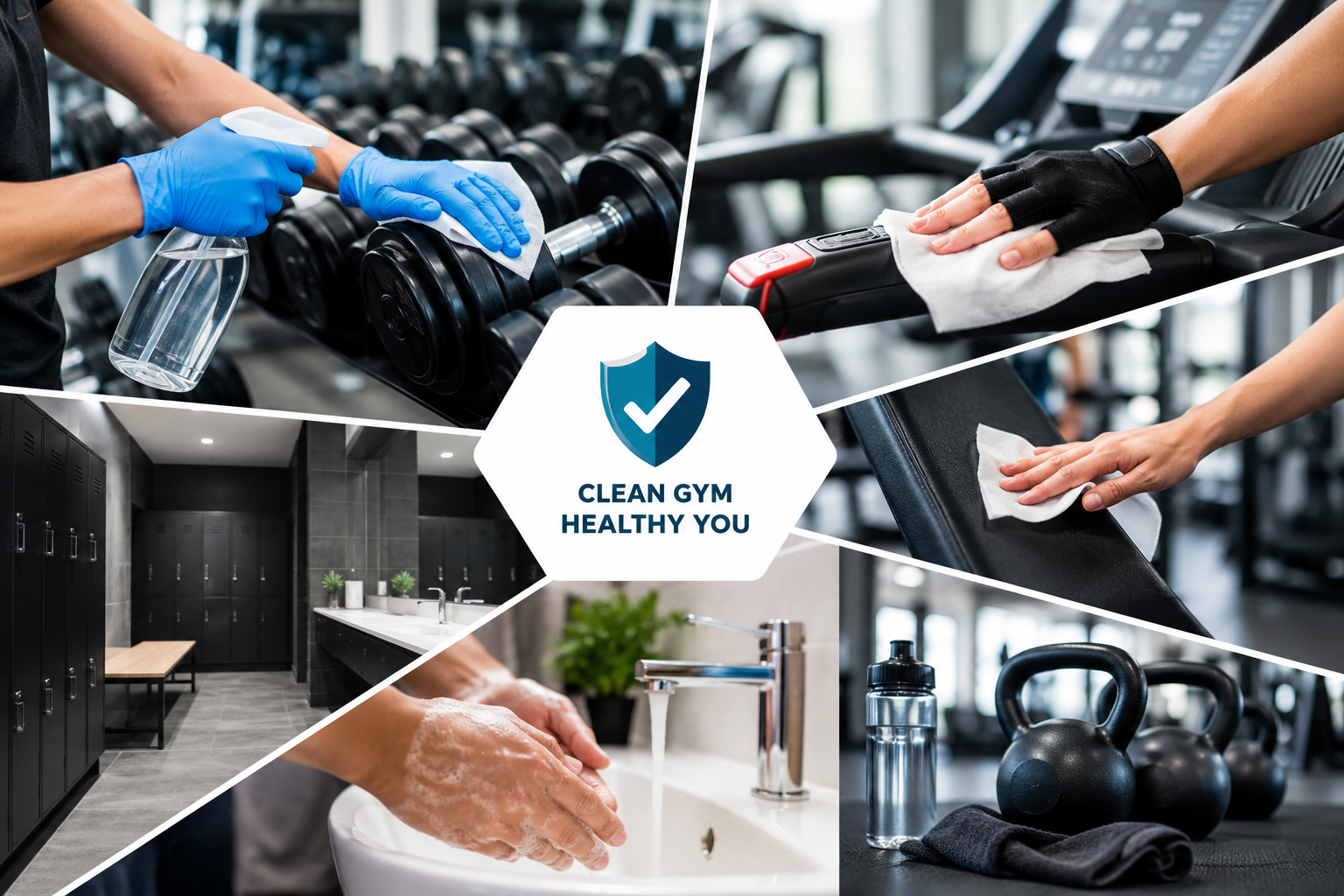
When people think about fitness, they often focus on exercise routines, nutrition plans, and workout goals. However, one critical factor is often overlooked: hygiene. Clean fitness facilities and properly sanitized equipment play a major role in protecting health, improving workout experiences, and creating a safer environment for everyone.
Whether you exercise at a commercial gym, a community fitness center, or a home workout space, maintaining proper hygiene should be a top priority.
Why Hygiene Matters in Fitness Environments
Fitness facilities are high-traffic environments where dozens or even hundreds of people may use the same equipment every day. During exercise, people sweat, breathe heavily, and frequently touch surfaces such as dumbbells, barbells, treadmill handles, exercise mats, and machine controls.
Without proper cleaning and sanitation, these surfaces can become breeding grounds for bacteria, viruses, and fungi. While not every germ causes illness, poor hygiene can increase the risk of skin infections, respiratory illnesses, and other health concerns.
Maintaining a clean workout environment helps reduce these risks and promotes overall well-being among gym members and staff.
Common Areas That Require Regular Cleaning
Many fitness facilities focus on cleaning visible surfaces, but comprehensive hygiene involves much more than appearance.
Key areas that require regular attention include:
- Dumbbells and kettlebells
- Barbells and weight plates
- Cardio machines
- Resistance training equipment
- Exercise mats
- Locker rooms
- Showers
- Restrooms
- Water fountains
- Door handles and touch screens
These areas experience frequent contact and should be cleaned and disinfected regularly throughout the day.
The Connection Between Hygiene and Member Confidence
A clean fitness facility creates a positive first impression. People are more likely to return to a gym where they feel comfortable and safe.
Poor hygiene can quickly damage a facility’s reputation. Dirty equipment, unpleasant odors, overflowing trash bins, or unclean locker rooms may cause members to question the overall quality of the facility.
On the other hand, visible cleanliness demonstrates professionalism and commitment to member health. It reassures visitors that management takes safety seriously.
Hygiene and Disease Prevention
Exercise supports immune function and overall health, but a poorly maintained fitness environment can expose individuals to unnecessary health risks.
Proper sanitation helps reduce the spread of:
- Common colds
- Influenza
- Skin infections
- Athlete’s foot
- Fungal infections
- Certain gastrointestinal illnesses
Regular cleaning routines, hand hygiene, and equipment disinfection are among the most effective strategies for minimizing these risks.
Personal Hygiene Is Equally Important
Fitness facility hygiene is not solely the responsibility of management. Gym members also play a crucial role in maintaining a healthy environment.
Good personal hygiene practices include:
- Washing hands before and after workouts
- Wiping equipment after use
- Using a clean towel
- Wearing clean workout clothes
- Avoiding exercise when sick
- Covering cuts or wounds properly
- Using shower sandals in communal areas
These simple habits help protect both the individual and other gym users.
The Importance of Clean Fitness Equipment
Fitness equipment comes into direct contact with skin, sweat, and hands throughout the day. If not cleaned regularly, equipment can accumulate dirt, oils, and microorganisms.
Clean equipment offers several benefits:
Better User Experience
Members feel more comfortable using equipment that looks and smells clean.
Longer Equipment Lifespan
Regular cleaning helps prevent corrosion, wear, and damage caused by sweat and moisture.
Improved Safety
Removing dirt, sweat, and debris reduces the risk of slipping and improves grip on equipment.
Enhanced Facility Reputation
Clean equipment reflects high operational standards and encourages positive reviews and member retention.
How Often Should Equipment Be Cleaned?
The frequency depends on usage levels, but general recommendations include:
- Users should wipe equipment after every use.
- Staff should perform routine disinfection multiple times daily.
- Deep cleaning should occur regularly according to facility schedules.
- Locker rooms and restrooms should be inspected and cleaned throughout operating hours.
Facilities with higher visitor numbers may require more frequent sanitation procedures.
Creating a Culture of Cleanliness
The most successful fitness facilities make hygiene part of their culture. This involves:
- Providing disinfectant wipes and sprays
- Displaying hygiene reminders
- Training staff on sanitation procedures
- Conducting routine inspections
- Encouraging member participation
When cleanliness becomes a shared responsibility, everyone benefits.
Final Thoughts
Hygiene is one of the most important yet underestimated aspects of fitness environments. Clean facilities and properly maintained equipment help reduce health risks, improve member satisfaction, and create a more enjoyable workout experience.
Whether you are a gym owner, fitness professional, or regular exerciser, prioritizing hygiene is an investment in health, safety, and long-term success. A clean fitness environment allows people to focus on what truly matters: achieving their fitness goals while staying healthy and confident.