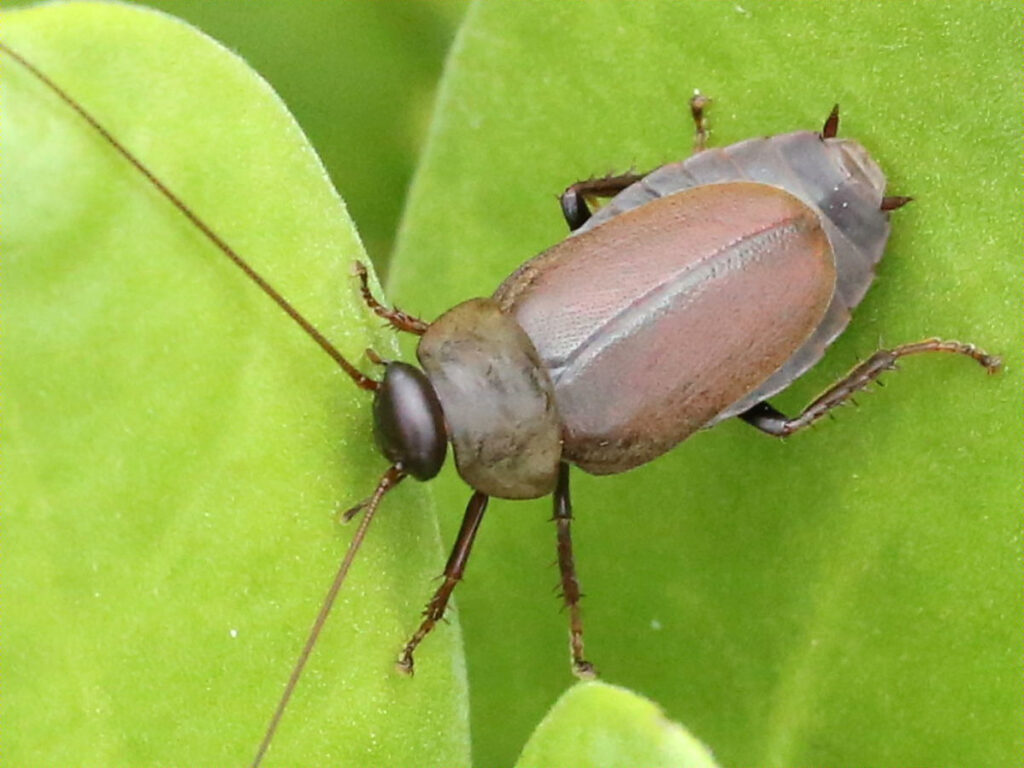
Cockroaches are usually seen as pests we want far away from our homes. But surprisingly, science has revealed that a specific species may hold the key to a highly nutritious “super milk” that could reshape the future of food.
The species in question is Diploptera punctata, also known as the Pacific beetle cockroach. Unlike most insects, it gives birth to live young and produces a special nutrient-rich fluid to feed them. This discovery, first highlighted in 2016 by researchers at Institute for Stem Cell Biology and Regenerative Medicine, quickly gained global attention and was even featured by CNN.
1. Exceptional Nutritional Power
What makes this “milk” so remarkable is its nutritional density. Studies show that the fluid contains up to three times more energy than buffalo milk and about four times more than cow’s milk. It is considered a complete food because it includes proteins, healthy fats, and sugars—all essential nutrients the body needs.
2. A Potential Solution to Global Food Challenges
As the world’s population continues to grow, the demand for sustainable food sources is becoming more urgent. Traditional dairy farming requires large amounts of land and water. In contrast, alternatives like insect-based nutrition could offer a more eco-friendly solution.
Scientists believe that cockroach milk—or rather its lab-produced equivalent—could become a valuable protein source with a much smaller environmental footprint.
3. Lab-Based Production, Not Insect Farming
For those concerned about the idea, there’s an important clarification: this doesn’t mean milking insects. Researchers are using bioengineering techniques to replicate the milk’s nutritional structure in laboratories.
The goal is to create a clean, safe, and scalable product without relying on direct extraction from cockroaches. This approach makes it more acceptable and practical for human consumption.
4. Mild Taste and Versatile Use
Early reports suggest that the substance has a neutral taste, making it easy to incorporate into different foods. Scientists envision its use in products like protein supplements, energy drinks, or even desserts such as ice cream.
By combining it with familiar flavors like honey or cocoa, it could become a widely accepted ingredient in future diets.
A Glimpse Into the Future of Nutrition
While the idea may sound unusual at first, innovations like this show how science is exploring new ways to feed a growing global population. What once seemed unlikely could soon become part of everyday nutrition.